
x
If you’re planning a new apartment rental, especially as a solo renter, this guide shows how to budget real monthly costs, search efficiently for places near you, use major rental platforms safely, and choose a lease that fits your income, routine, and move‑in timeline.
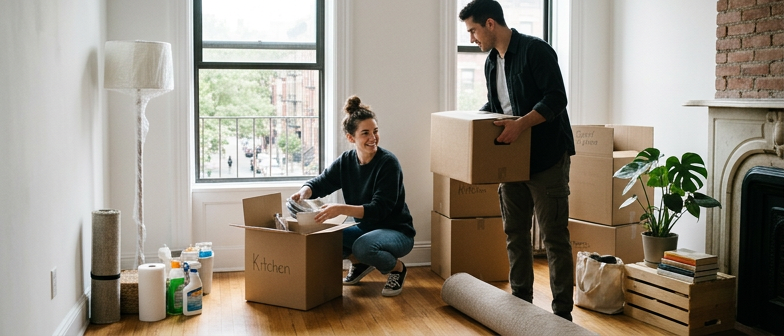
Modern apartment rental is based on a lease that sets your monthly rent, how long you can stay, and the rules you must follow. Most apartment leasing uses either fixed terms, usually 6 to 12 months, or month‑to‑month agreements that renew automatically and are easier to end. Landlords usually screen applicants with credit checks, income and rental history, and sometimes background reports, so expect to show pay stubs, identification, and references. Online listings and digital applications are now standard, but the basics stay the same: you pay on time, look after the unit, and follow community policies in exchange for the right to live there and use shared spaces.
For a single renter, apartment rental can feel flexible but also more exposed, because the lease depends entirely on your income and behavior. Single‑person apartments are typically studios or one‑bedroom units that favor privacy, simple layouts, and manageable housing costs over large shared areas. A solo tenant covers all rent and utilities, negotiates alone about guests or pets, and decides how long to commit, so it is vital to understand security deposits, renewal options, and penalties for moving out early before signing anything.
Before you dive into a new apartment search, set a realistic price range based on your take‑home pay, debts, and savings goals. Many renters try to keep overall apartment rental costs, including utilities, under a third of their monthly income, but you should also plan for renters insurance, internet, parking, laundry, and commuting. Think about the full cost of apartment rental, not just the advertised rate, and remember you will likely need money upfront for a security deposit, application fees, and maybe the first and last month’s rent. If your budget feels tight, consider studios or other single person apartments, or look a bit farther from popular hotspots to trade convenience for lower costs.
Once your budget is clear, list your must‑haves and nice‑to‑haves to guide your choices. Location, commute time, safety, pet rules, and access to groceries, parks, or public transit usually belong on the non‑negotiable list, while extras like in‑unit laundry or a gym can stay flexible. Use this list when you search online and when you tour places so you do not get distracted by staging or trendy finishes. Planning this way helps you compare options fairly and avoid signing a lease that looks good on paper but does not fit your daily life or long‑term financial comfort.
| Checklist Step | What To Decide | Why It Matters | Priority |
|---|---|---|---|
| Set total budget | Max monthly housing share | Keeps apartment rental costs sustainable | High |
| Estimate hidden costs | Utilities, insurance, commuting | Reflects true Apartment Rental expenses | High |
| Choose unit type | Studio vs larger single person apartments | Balances space needs with cost | Medium |
| Define non‑negotiables | Safety, commute, basic services | Prevents choosing a place that harms daily life | High |
| List flexible perks | Gym, finishes, in‑unit laundry | Helps trade extras for savings | Medium |
| Prepare application basics | ID, income proof, references | Lets you rent out apartment fast when you find a fit | Medium |
When you plan an apartment rental, start by mapping out every recurring cost, not just the advertised monthly rent. True apartment rental costs usually include utilities like electricity, gas, water, internet, and trash, plus renters insurance and parking if it is not free. Many buildings also charge amenity fees, pet rent, or a monthly storage fee. To decide what you can realistically afford, total these expected charges and aim to keep all housing expenses under a safe share of your take‑home pay, then compare that number with local listings so you know whether you need to adjust your expectations on size, location, or building features.
Start your apartment rental search by choosing neighborhoods that fit your daily routine, then use mapping tools to see what truly counts as nearby. Enter your current address, check commute times to work, school, or transit, and draw a radius that still feels convenient. Within that area, walk or drive the streets at different times to notice noise, lighting, and overall safety. Look for “For Rent” signs, small property managers, and buildings that do not list online, and ask coworkers, friends, or community groups which blocks have frequent openings or rely on word of mouth instead of public ads.
Once you know your target area, use the best rental platforms you can find to search only within those streets instead of scanning the whole city. Combine map views with natural search phrases a typical renter would type, such as a one-bedroom near downtown or a place close to transit, and turn on location so any “apartments near me” style search stays focused on your chosen neighborhoods. Save searches, set alerts, and compare prices to understand normal apartment rental costs for similar units. Cross-check promising listings on two or three major sites to reduce scam risk, then keep a short list of options that fit your budget and timing so you can contact landlords and schedule showings quickly.
When you start a new apartment search, treat major rental platforms as tools, not answers. Create alerts with tight filters for single person apartments, such as studios or small one‑bedrooms, and set maximum rent, preferred neighborhoods, pet rules, and move‑in date so you only see realistic options. Compare the same listing across multiple sites to spot inconsistent details or suspicious price gaps, and always reverse‑image‑search photos that look too perfect for the price. Avoid sending deposits or application fees through non‑traceable methods; instead, communicate inside the platform until you can verify the landlord’s identity, read the full lease, and confirm that the unit actually exists with a video or in‑person tour. Keep a simple spreadsheet or note where you log links, rent, utilities, and application status so you do not lose track of promising listings while navigating the best rental platforms.
When you rent an apartment just for yourself, be honest about your routine and what you actually need. Smaller units, studios, or other single person apartments can feel comfortable and still keep overall apartment rental costs down, but only if the layout fits your lifestyle. Think about how often you cook, work from home, or host friends, and check for natural light, storage, and space for a desk or small table. As you walk through, listen for noise from neighbors or the street, look at hallway lighting, and test door and window locks so the place feels safe when you come home late or sleep alone.
Your budget and commute should guide your final decision as much as the floor plan. Before signing any apartment rental agreement, total the full cost of living there, not just the advertised rent: utilities, parking, laundry, internet, pet fees, and renters insurance all affect what you really pay each month. Compare that with your take‑home pay so housing stays within a comfortable share of your income and still leaves room for savings. Then check how long it takes to reach work, groceries, and other regular stops, and, if possible, visit at different times to gauge traffic and neighborhood safety.
What are the most important parts of an apartment lease to understand before signing?
Know the rent amount and due date, lease length, guest, noise, and pet rules, late and early‑termination fees, which utilities are included, and how you can legally end the lease.
How can a single renter set a realistic budget for a new apartment search?
Try to keep total housing under about one‑third of your take‑home pay. Add rough costs for utilities, internet, insurance, transit, and parking, then see which studios or small one‑bedroom options fit.
What regular costs beyond base rent should I expect with apartment leasing?
Expect electricity, gas, water, trash, internet, renters insurance, and possibly parking, amenity, or pet fees. Add them to your rent to see the real monthly total and adjust size or location if needed.
How can I quickly find rentals near me without missing smaller buildings?
Use map‑based rental platforms with filters around your true commute area, then walk or drive those streets to look for small property managers and “For Rent” signs that may not be listed online.
How do I use major rental platforms safely if I need to rent out an apartment fast?
Compare listings across sites, avoid prices far below market, never send deposits through untraceable apps, keep messages inside the platform, verify ownership, and insist on a tour before paying or signing.