
x
Launching a new product is exciting, but getting it noticed requires more than just a great idea. It's about speaking directly to your audience, showcasing how your product solves their specific problems better than anyone else.
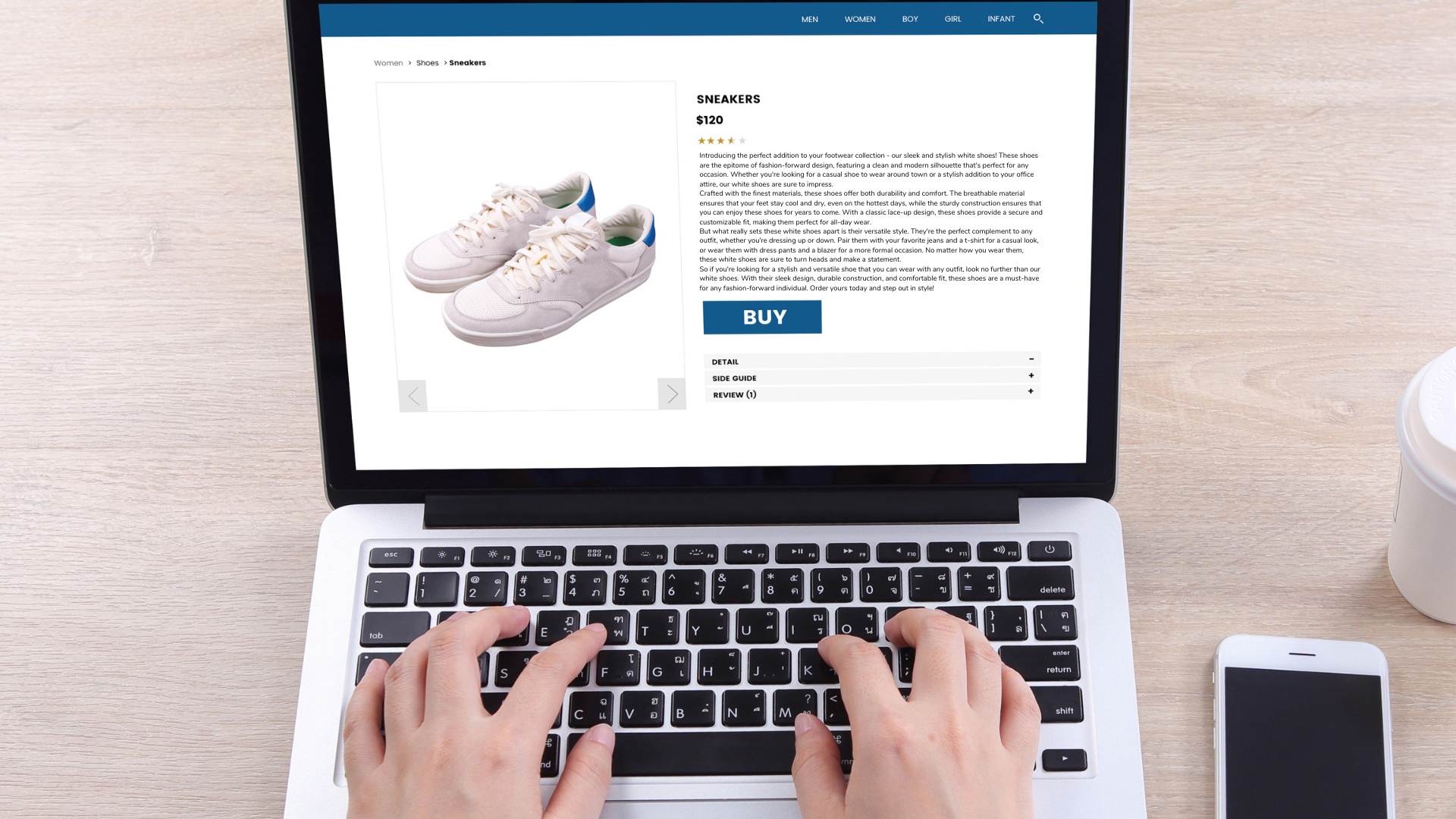
Crafting compelling sales pitches is both an art and a science. It's about connecting with potential customers on an emotional and logical level, understanding their needs, and presenting your product as the ideal solution. Here’s how to master this skill.
Begin with a strong hook that immediately grabs attention by addressing customer pain points. Frame the problem clearly and concisely, making sure the audience understands the issue at hand. Then, present your product as a tailored solution that offers measurable value, such as saving time or reducing costs.
Keep your sales pitches brief and to the point; aiming for under 60 seconds can be highly effective. In the absence of physical interaction, building trust is crucial. Highlight how your product stands out from the competition and clearly communicate its unique benefits.
Utilize sales decks that showcase current market trends and create a sense of urgency. Emphasize the unique aspects of your product to boost buyer confidence and increase conversion rates. Remember, a well-crafted sales pitch transforms product features into emotionally resonant solutions.
Focus on transforming features into benefits that resonate emotionally with customers. Remember, product descriptions are powerful persuasive tools that drive purchasing decisions by showing how your product solves problems and improves lives.
Effective product descriptions do more than list features; they tell a story of how your product improves the buyer's life. By focusing on benefits, you create an emotional connection, drive desire, and ultimately, increase sales. Let’s explore how to make your product descriptions irresistible.
Moving beyond features means explaining the practical and emotional advantages a customer gains. Instead of just listing specs, highlight how the product simplifies life, enhances their status, or improves their feelings. This approach transforms a product description from a list of attributes into a compelling narrative that resonates with potential buyers.
Different benefits appeal to different buyers. Functional benefits address practical needs, while emotional benefits tap into feelings and self-image. Social benefits highlight status or social value, and convenience benefits focus on saving time or simplifying tasks. User-generated content and reviews build trust and authenticity, further influencing purchase decisions. The impact of different benefit types are showcased below:
| Benefit Type | Description | Consumer Impact |
|---|---|---|
| Emotional Benefits | How product improves feelings or self-image | Increases buyer attachment and loyalty |
| Functional Benefits | Practical advantages the product offers | Enhances usability and satisfaction |
| Social Benefits | The social value or status gained from owning the product | Drives purchase through social proof |
| Convenience Benefits | Simplifies life or saves time | Boosts purchase likelihood |
| Trust and Authenticity | Credibility from reviews and user-generated content | Builds confidence and reduces purchase friction |
Use vivid language to paint a picture of the customer experiencing the benefits. Start with an attention-grabbing headline, and follow with a concise intro that highlights the core value proposition. Use comparison tables and comprehensive reviews to showcase both features and benefits, and conclude with a clear recommendation.
Enhance your e-commerce product pages with high-quality images and videos that demonstrate the product in action. Ensure a user-friendly experience that mimics in-store shopping. Compelling copywriting, focusing on benefits, is crucial for driving conversions and turning visitors into buyers.
Crafting product descriptions that resonate with customers means ditching the jargon and focusing on genuine connection. How do you strike the right balance between informative and engaging? Let's explore how to make your product descriptions truly shine.
Instead of simply listing what a product is, explain what it does for the customer. Highlight how it solves a problem or improves their life. Think about the specific pain points your target audience experiences and address those directly. Strategic narrative and positioning help ensure your message fits the market.
Consumers are savvier than ever. Avoid overly hyped language or generic claims. Be honest about your product's strengths and weaknesses. This transparency builds trust and credibility, making customers more likely to buy.
Tailor your language to your specific customer base. What kind of tone and style will resonate with them? Are they looking for technical details or a more emotional connection? Understanding your audience is key to crafting descriptions that speak directly to their needs and desires.
Don't forget the power of high-quality images and videos. Show your product from multiple angles and in action. Visuals can often convey information more effectively than words alone, creating a more engaging and immersive experience for potential buyers.
In today's market, product credibility hinges significantly on customer reviews. Understanding how consumers perceive and utilize these reviews can greatly impact product marketing and sales strategies. Let’s explore how to effectively harness the power of testimonials to build trust and boost conversions.
Consumers increasingly rely on online reviews to make informed purchase decisions. Reviews often carry as much weight as recommendations from family or friends. It's critical for businesses to actively manage and showcase reviews to build trust. The absence of reviews can deter a significant portion of potential customers. According to recent data, a substantial percentage of consumers won’t purchase from businesses with no online reviews.
While star ratings are important, they aren't enough on their own. Written reviews provide deeper context and build more confidence. Many consumers distrust star ratings alone, seeking detailed experiences from other customers. Businesses should encourage customers to leave comprehensive reviews to enhance credibility. Visual content, such as photos and videos in reviews, can also significantly increase purchase likelihood.
The impact of reviews varies depending on the product type and price point. For expensive or unfamiliar products, consumers tend to read more reviews before making a decision. Maintaining high ratings is crucial for customer acquisition, as a large percentage of consumers require a minimum rating before considering a business. Moreover, displaying customer reviews on websites can lead to a noticeable increase in conversion rates.
Launching a new product can be exciting, but it's crucial to be well-prepared. A comprehensive checklist ensures all bases are covered, from understanding your audience to setting clear goals. Let's explore some essential items to include before you launch.
Before anything else, define your target audience. Understand their needs, pain points, and preferences. Market research and competitive analysis are vital to validate demand and identify how your product stands out. This knowledge informs your messaging and ensures you're solving a real problem.
Establish SMART launch goals—Specific, Measurable, Achievable, Relevant, Time-bound—to provide benchmarks for success. Develop a positioning statement that clearly communicates your product's unique value. What makes it different and better? Communicating this advantage is key to attracting customers.
A detailed launch timeline and roadmap is essential. It outlines all activities, from pre-launch to post-launch, assigning roles and deadlines to team members. This ensures a smooth workflow and effective coordination. Assembling a cross-functional team with clear roles further enhances collaboration. The following checklist items are critical to a product's success:
| Checklist Item | Description | Purpose/Goal |
|---|---|---|
| Define Target Audience and Buyer Persona | Identify and understand the specific group of customers to target with the product | Ensure product-market fit and targeted marketing |
| Conduct Market Research and Competitive Analysis | Analyze market conditions and competitors | Validate demand and differentiate product |
| Validate Product-Market Fit | Confirm that the product meets needs and solves a problem for the target audience | Reduce risk of product failure |
| Set SMART Launch Goals | Establish Specific, Measurable, Achievable, Relevant, Time-bound objectives (e.g., sales, awareness) | Provide clear success benchmarks |
| Develop a Positioning Statement and Value Proposition | Craft a concise statement highlighting unique benefits and differentiation | Communicate product advantage clearly |
| Prepare a Detailed Launch Timeline and Roadmap | Create schedule with pre-launch, launch, post-launch activities, assign roles and deadlines | Ensure smooth workflow and coordination |
| Assemble a Cross-Functional Launch Team with Clear Roles | Form team from marketing, sales, product, support with defined responsibilities | Enable efficient collaboration and execution |
| Prepare Legal/Compliance Documentation | Review contracts, intellectual property, regulatory compliance | Mitigate legal and compliance risks |
1. Question: What role does a strong hook play in a sales pitch?
Answer: The hook captures the audience’s attention, highlights customer pain points, and positions the product as a clear and valuable solution.
2. Question: Why is it important to turn product features into benefits?
Answer: Benefits create an emotional connection and show customers how the product improves their lives, while features alone don’t have the same persuasive impact.
3. Question: How does authenticity in product descriptions and testimonials influence buying decisions?
Answer: Authenticity builds trust, as consumers value transparent information and real customer experiences, which increases the product’s credibility.
4. Question: What are some essential elements of a checklist before launching a product?
Answer: Key elements include understanding the market and target audience, setting clear goals, creating a detailed launch timeline, and assembling a well-structured cross-functional team.