
x
Managing diabetes in the US often means choosing between low-cost fingerstick meters and newer continuous glucose monitors. This guide helps you compare daily tracking routines, long‑term costs, and typical insurance rules for CGM so you can pick monitoring tools that fit your budget and safety needs.
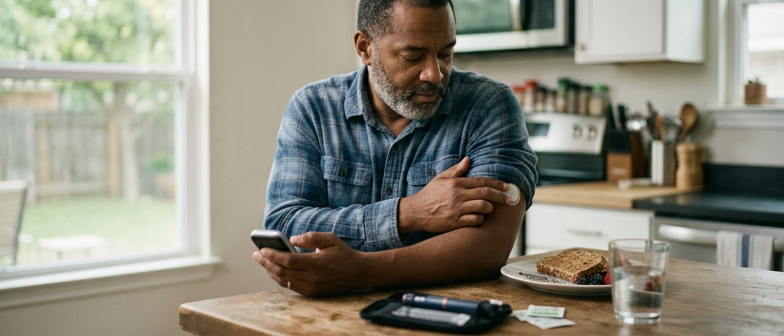
A diabetes monitor is any tool that shows where your blood sugar is and how it is changing so you can respond before problems develop. In the United States, this includes traditional finger‑stick meters and sensor‑based systems that track glucose around the clock. Modern diabetes management devices in the USA turn your body’s signals into numbers, trends, and alerts on a handheld reader or smartphone, so you see how food, activity, stress, and medication affect you and your care team can fine‑tune treatment.
When people mention a Diabetes Monitor US today, they often mean a connected system that fits into daily life: a small sensor on the skin, an app that shares data with family or clinicians, and online reports that highlight patterns. These tools matter because high or low blood sugar may have no clear symptoms until it is dangerous, but steady tracking can catch trouble early and lower long‑term risks, supporting safer driving, exercise, work, and sleep.
Daily blood sugar tracking is the foundation of effective Diabetes Monitor US use, whether you rely on a finger‑stick meter or a continuous glucose monitor. Follow the schedule recommended by your care team, often before meals, sometimes two hours after eating, at bedtime, and before driving, exercise, or taking insulin that could cause lows. Wash and dry your hands, use a new lancet and strip for each test, and log results immediately in an app, paper log, or device software. With a continuous glucose system, check trend arrows before eating, taking insulin, or working out, and confirm with a finger‑stick when readings do not match how you feel or when device instructions call for a backup check.
A practical daily blood sugar tracking guide looks for patterns over several days instead of focusing on single numbers. Each time you record a value, note the time, your last meal, insulin or medication doses, activity, stress, or illness so you and your health care team can link readings to real‑life events. High or low results at the same time of day for three or more days in a row may signal a need to adjust meal timing, carb intake, or medication. At visits, share your meter or CGM download so your clinician can review trends with you, explain targets that fit your situation, and help you set realistic goals, turning everyday tracking into a roadmap for steadier glucose levels.
| Schedule type | Daily checklist | Weekly checklist | Best for |
|---|---|---|---|
| Insulin user with meter | Test before meals and at bedtime | Review log for repeat highs or lows | People adjusting insulin doses |
| Insulin user with CGM | Check trend arrows before meals or exercise | Download CGM data for pattern review | Users wanting real‑time glucose trends |
| Non‑insulin with meter | Test at key times suggested by care team | Note recurring spikes after similar meals | People focusing on food and activity |
| Non‑insulin with CGM | Scan or view readings around meals and activity | Flag times of frequent alerts or swings | Users fine‑tuning lifestyle changes |
| Any treatment plan | Log readings with meal, meds, and activity notes | Prepare questions for next clinic visit | Anyone building a tracking routine |
Traditional fingerstick meters remain some of the most affordable blood sugar monitoring tools in everyday diabetes care in the US, especially for people who test a few times a day. For accurate results, wash and dry your hands so food or lotion does not distort readings, use a fresh lancet, prick the side of your fingertip, and apply a full, hanging drop of blood only after the meter is ready. Pressing too hard on the finger can mix tissue fluid with blood and give falsely low numbers, and repeatedly reusing lancets makes testing more painful and less consistent. Following a simple daily blood sugar tracking routine in a notebook or app helps you see how meals, activity, and medications affect your numbers and makes these basic meters a useful partner to newer connected devices.
When you compare modern diabetes management devices in the US, you mainly choose between traditional blood glucose meters and continuous glucose monitors, or CGMs. Standard meters use a fingerstick and test strip to give a single reading, which many people still rely on for spot checks and calibration. CGMs place a small sensor on the body to measure glucose in the fluid under the skin and send frequent readings to a reader, smartphone, or insulin pump, turning a Diabetes Monitor into more of a real-time dashboard than an occasional snapshot.
Systems promoted as some of the best CGM options for 2026 focus on accuracy, slimmer sensors, and easy links to phones or smartwatches. When comparing these Modern Diabetes Management Devices USA, think about how often you want data, whether alerts for highs and lows matter to you, and how comfortable you are wearing a sensor for several days. Many people pair a CGM with a basic meter to confirm readings, while others stay with a simpler meter-only routine if fingersticks and low-tech tools fit their lifestyle.
In the United States, choosing a diabetes monitor also means looking at coverage and out-of-pocket costs. Some private plans and public programs now treat CGMs as essential diabetes monitoring equipment, but coverage rules, preferred brands, and paperwork vary. Before deciding, talk with your care team about how you track blood sugar now, which features would truly help day to day, and what your specific insurance recognizes as an eligible device so your choice is realistic medically and financially.
| Device option | Typical use style | Data and alerts | Cost and coverage fit | Best for |
|---|---|---|---|---|
| Fingerstick meter only | Short, planned checks | Single readings, no alerts | Lower upfront, usually easier coverage | People testing a few times daily |
| Fingerstick + basic CGM | Mix of routine checks and sensor wear | Frequent trends, some alarms | Moderate cost, coverage varies by brand | Users wanting trends but still confirming with strips |
| Standalone CGM system | Continuous wear most days | Ongoing trends, customizable alerts | Higher device costs, needs insurance review | Those needing help catching highs and lows early |
| Pump integrated with CGM | Linked insulin delivery and sensing | Automated adjustments, detailed patterns | Complex coverage rules, more paperwork | Intensive insulin users comfortable with tech |
| Occasional CGM trial with meter backup | Short sensor periods, meter most days | Periodic trend snapshots, limited alerts | Costs depend on trial access and plan rules | People exploring CGM before long‑term commitment |
Keeping Diabetes Monitor US costs down means focusing on long‑term expenses, especially test strips. Many people save by choosing simple finger‑stick meters with low‑price strips, including pharmacy brands, discount programs, or mail‑order supplies. Compare the price per strip, check what your insurance prefers, and ask a pharmacist which meters have the most affordable supplies, since strips usually drive monthly costs more than the meter itself.
For those interested in modern diabetes management devices in the USA, some continuous and smart systems are also getting cheaper. You can reduce out‑of‑pocket costs by picking basic models without extra phone features, using manufacturer savings cards when eligible, or pairing a covered meter with a low‑cost Bluetooth add‑on instead of a premium continuous sensor. Decide which data you truly use each day and choose the simplest setup that still supports safe daily decisions.
For many people using a diabetes monitor in the US, the main concern is whether a continuous glucose monitor will be covered by insurance. Most major private plans, Medicare, and some Medicaid programs now view CGM as part of modern diabetes management devices, especially for intensive insulin users. Coverage usually depends on criteria such as having type 1 diabetes or insulin‑treated type 2, a history of dangerous highs or lows, or needing frequent checks that finger sticks cannot manage well. In plan documents, CGM devices and supplies may appear under durable medical equipment or pharmacy benefits, and each category can have different rules for prior authorization, copays, and annual limits.
Knowing these rules matters when you compare the best CGM systems that may be widely used by 2026 or consider upgrading from basic meters. Some insurers cover only preferred brands, while others want proof you tried traditional testing first. You may need clinic notes, glucose logs, and a prescription that clearly states medical necessity. Even with approval, deductibles and higher copays for sensors and transmitters can still apply, so ask about total out‑of‑pocket costs, not just whether a CGM is listed as a benefit. Working with your healthcare team and calling member services in advance can help you match a suitable CGM option to your plan’s coverage rules and avoid billing surprises.
What does a diabetes monitor do in everyday life?
It shows your glucose level and trend so you can adjust food, activity, or medication and share clear numbers with your care team.
How can I organize daily blood sugar checks with my meter or CGM?
Follow your clinician’s timing, often before meals, sometimes 2 hours after, at bedtime, and before driving, workouts, or insulin. Log values quickly with notes on meals, doses, and exercise.
Are finger‑stick meters still useful compared with modern devices in the US?
Yes. They are among the most affordable blood sugar monitoring tools, work well for spot checks, and help confirm CGM readings when results don’t match how you feel.
What should I compare when choosing newer diabetes management devices?
Look at how often you want data, whether you need alerts, phone or pump compatibility, and long‑term costs like strips or CGM sensors, not only the device price.
How does US insurance usually handle continuous glucose monitor coverage?
Plans often cover CGMs for people on insulin who need frequent checks or have risky highs or lows. Coverage may run through durable medical equipment or the pharmacy, with different copays and prior‑authorization rules.