
x
The first time the highway stretches farther than your comfort zone, excitement and worry tend to cram the backseat together. Between unpredictable weather, sleepy motels, snack-fueled miles, and “did we forget the charger?” moments, smart, light packing quietly decides whether your adventure feels freeing or frustrating.
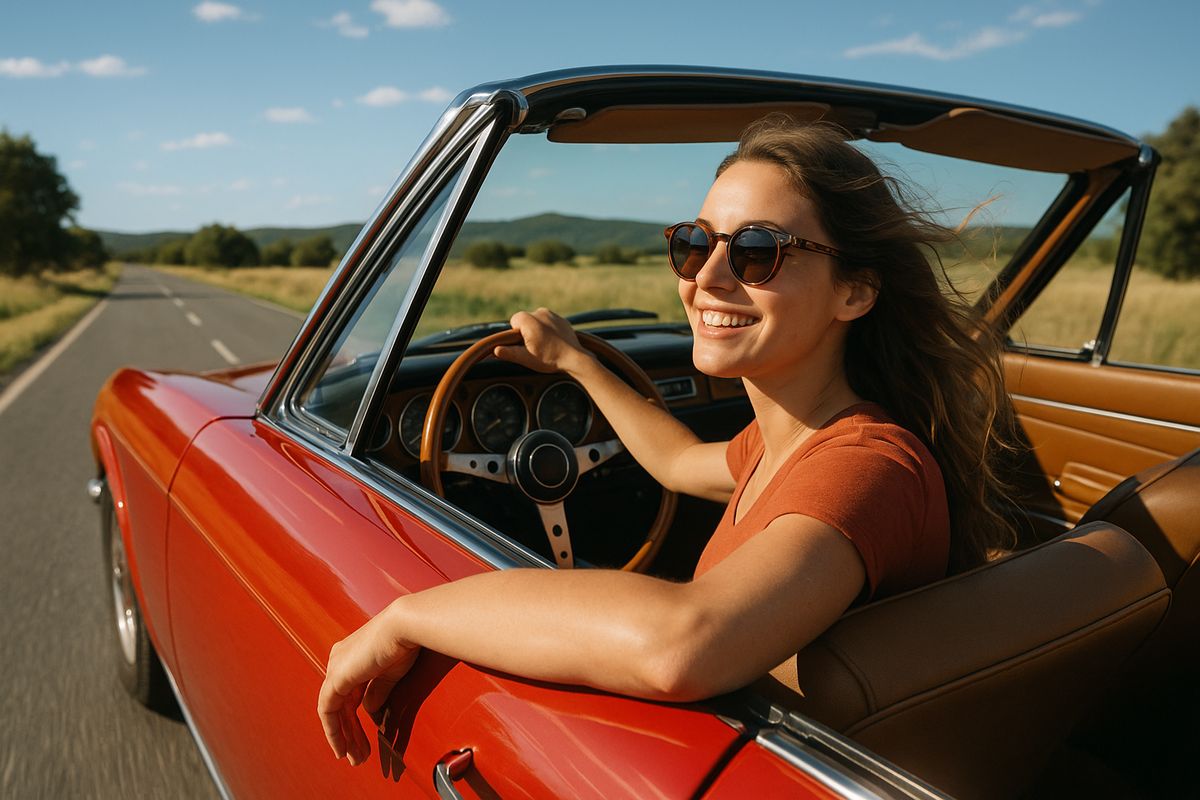
Planning around zones keeps your car livable instead of chaotic. Picture three main areas: up front for things you grab while driving, the back seat for items you use at most stops, and the trunk for low‑frequency gear. Drinks, sunglasses, tissues, chargers, and navigation belong within arm’s reach so nobody has to twist around at speed. A day bag, light jackets, and a small snack box fit well on or under the back seat. Bulky items and extra clothes can stay in the trunk, where they’re out of the way until night. When everything has a “home,” each stop feels quick and calm instead of like unpacking a storage unit.
Extra gear doesn’t just crowd the cabin; it quietly makes the car work harder. Big coolers, heavy toolboxes, and multiple “backup” bags add up over long distances. Aim to bring one well‑chosen version of each category instead of several “maybe” options. Put dense items low and close to the middle of the vehicle so it feels stable on curves and during quick maneuvers. A compact tire inflator, basic tools, jumper pack, and emergency kit tuck nicely into a front storage compartment or trunk well. Lightweight gear such as jackets and pillows can ride on top. The lighter and more balanced the load, the less tiring every mile feels.
End‑of‑day you will not want to dig through a mountain of luggage in a dark parking lot. Set yourself up now. Use small soft bags or packing cubes instead of huge suitcases that explode open. Create one “overnight” bag with pajamas, toiletries, and clothes for the next day, and keep it near the trunk opening. Refill that bag every couple of nights from your main luggage. Keep cables and tiny essentials in labeled pouches so you can find them even when you’re exhausted. The more your system works on autopilot, the more energy you’ll have left for actual fun.
Inside the cabin, the driver’s area should stay almost boring: water, mounted phone, sunglasses, maybe one small tray for keys or toll cards. Everything else lives just far enough away not to interfere with pedals or sightlines. The front passenger seat is command central: snacks, wipes, tissues, trash bag, and spare cables can all live in a small tote or organizer. Back‑seat pockets or simple caddies keep kids’ or companions’ gear contained and easy to grab. When everyone knows where water, snacks, and chargers live, you answer fewer “Where is…?” questions and stay more focused on the road.
Long stretches in the car exaggerate small annoyances. Store one light layer within reach for each person, not buried in the trunk, so you’re not fighting over the climate controls all day. Clean the windshield before leaving, and keep a microfiber cloth handy to wipe smears and reduce glare. Sunglasses for every rider help with eye strain during long sunny hours. Keep windows mostly closed at higher speeds to cut wind roar, and avoid loose items that rattle on every bump. A quieter, calmer cabin keeps everyone more alert and less drained by the time you arrive.
Even a well‑packed car turns into clutter if nothing gets put back. Build a tiny end‑of‑day ritual: five to ten minutes to toss trash, move the overnight bag to the front of the trunk, refill the small snack box, and return wandering items to their zones. Empty the trash bag whenever you stop for fuel or a bathroom break. Check that keys, wallet, and phone always land in the same place before you sleep. These tiny habits prevent the slow slide into a “rolling junk drawer” and make morning departures quicker and less frantic.
For a quick weekend, you can treat the car like a shuttle instead of a tiny apartment. Aim for one small bag per person plus a shared tote for toiletries and tech. Pack so each overnight stop needs only one grab‑and‑go bag, not your entire trunk. Comfortable basics you can wear twice, one pair of versatile shoes, and a single light jacket usually cover it. Keep snacks modest: a small container or gallon bag with favorites is plenty. With fewer unknowns and only a night or two away, simplicity beats having options you’ll never touch.
Once you’re out for several days or more, you’re managing a routine, not just a quick escape. Pack clothes in simple categories—tops, bottoms, socks and underwear, layers—using cubes or soft bags, so you can “restock” your overnight bag without upending everything. A small laundry bag and travel‑size detergent help you refresh a few pieces instead of packing your whole closet. Comfort gear earns its place: lumbar cushion, neck pillows, eye mask, and a soft throw can keep bodies happier over repeated long days. Think of the car as a tiny home where systems matter more than sheer quantity.
Thinking in broad categories keeps your list clear: car care and safety, personal basics, comfort, tech, and fun. Car‑care items cover tires, visibility, and simple fixes. Personal basics include ID, payment cards, medications, contacts or glasses, and toiletries. Comfort means layers, pillows, and blankets. Tech includes navigation, chargers, and offline entertainment. Fun is anything that turns downtime into actual enjoyment rather than just scrolling. If something doesn’t fit any category—or you can’t see yourself using it more than once—consider leaving it behind. Clarity beats long, vague lists that balloon without adding real value.
The table below shows how items line up with purposes rather than just categories:
| Purpose on the road | Helpful items to consider | When they shine most |
|---|---|---|
| Stay safe and mobile | Tire gauge, inflator, jumper pack, basic tools, visibility aid | Unexpected warnings, minor hiccups, night stops |
| Feel clean and human | Wet wipes, tissues, sanitizer, compact toiletry kit, spare towel | Rest areas, motels, sticky snack situations |
| Keep energy and focus up | Refillable bottles, steady snacks, sunglasses, light layers | Long highway stretches, changing weather |
| Make time pass pleasantly | Downloaded audio, simple games, notebook, travel pillow | Low‑signal zones, delays, evening wind‑down |
Using this kind of purpose‑first list makes it easier to trim duplicates while still feeling covered for real‑world moments instead of imaginary emergencies.
Common space‑eaters include too many shoes, bulky “just in case” outfits, oversized coolers, and full tool chests. Often, one pair of all‑day shoes plus one pair of sandals or slip‑ons beats a lineup you barely touch. Pack clothes that mix and match, favoring layers over single‑use pieces. Choose a cooler size you can comfortably lift when full; you can restock ice more easily than you can wrestle a giant box every night. Swap big tool sets for a multi‑tool and roadside kit. When in doubt, ask: “Will I definitely use this, or do I just like the idea of it?”
A simple final pass keeps stress low once wheels roll. Check tire pressure, including the spare. Clear unnecessary apps or clutter from your phone so navigation runs smoothly. Remove unused roof racks or crossbars if they aren’t needed. Make sure heavy items sit low and centered, and that the rear window remains clear. Confirm your emergency gear, first‑aid supplies, and essential documents are in known, reachable spots. This isn’t about perfection; it’s about avoiding obvious headaches that would otherwise show up in the first hundred miles.
Agreeing on basic roles turns the trip into a team effort instead of one person managing everything. Decide who usually drives which legs, who handles navigation, and who’s in charge of snacks and trash. For shared cars, give each person a small “day bag” zone: front passenger footwell, back‑seat caddy, or specific door pocket. The table below can help match roles to different types of travelers:
| Traveler type | Best role in the car | Why it works well |
|---|---|---|
| Detail‑oriented planner | Navigation, tracking stops and breaks | Loves timing, routes, and backup plans |
| Easygoing chatterbox | DJ, conversation lead, vibe manager | Keeps energy up without fixating on logistics |
| Quiet observer | Window scout, photo spot finder, calm backup | Notices views, signs, and mood shifts |
| Hands‑on helper | Snack captain, trash duty, quick organizer | Enjoys small tasks that keep things running well |
Matching people to roles they naturally enjoy makes the ride smoother and keeps small annoyances from building into bigger tensions.
What are the must-have items on a road trip packing checklist for safety and comfort?
Include a basic first-aid kit, jumper cables, flashlight, phone charger, paper map, reusable water bottle, snacks, light blanket, wet wipes, and a small trash bag for a safer, cleaner, more comfortable ride.
What first time road trip tips help prevent fatigue and stress on a long drive?
Plan driving shifts, schedule breaks every 2–3 hours, avoid driving only at night, keep snacks and water within reach, and use navigation with traffic alerts to reduce stress and tiredness.
Which travel essentials for road trips are often forgotten but very useful?
Commonly missed items include a multi-port car charger, sunglasses, small cash for tolls, spare car key, hand sanitizer, laundry bag, zip-top bags, and a compact umbrella for unexpected situations.
How should a weekend getaway packing list differ from a longer road trip list?
For a weekend, pack versatile clothing, travel-size toiletries, minimal electronics, and a small cooler; skip bulk items and focus on light, easy-to-carry essentials since storage needs are lower.
What to pack for a long drive to keep the car organized and clutter-free?
Use seat-back organizers, a small bin or trunk box, labeled pouches for documents and cables, a dedicated snack bag, and a trash container so everything has a place and cleanup stays simple.