
x
If you’re trying to cut energy bills and still get comfortable, reliable light at home or in commercial spaces, modern LED lighting can help. This guide compares efficient bulb choices, online and wholesale buying options, and when to use industrial and high‑bay systems with professional installation.
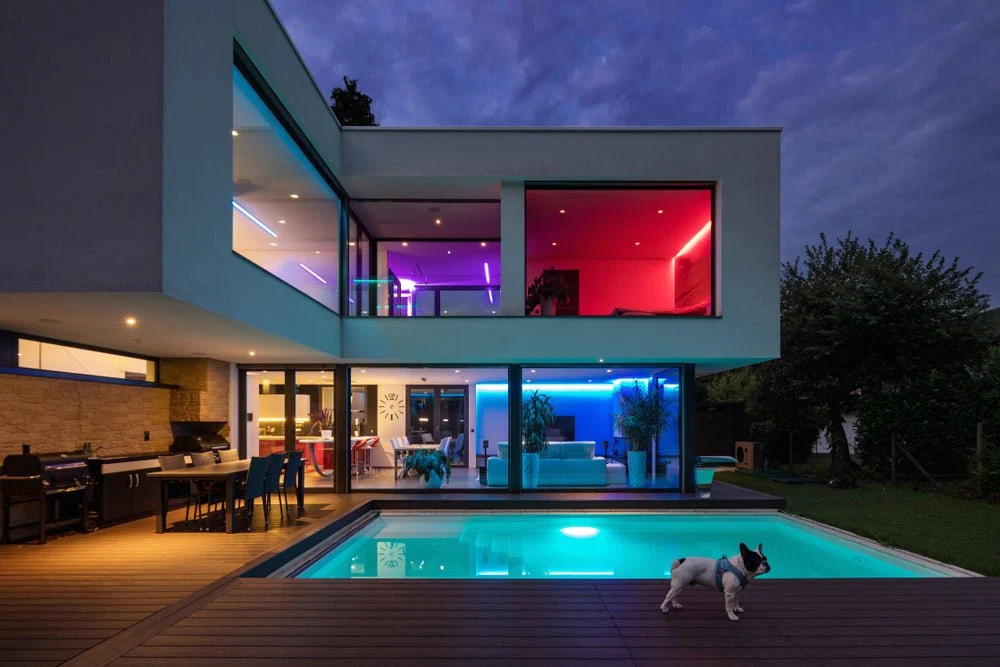
LED lighting has become the preferred way to create bright, comfortable spaces while keeping energy costs down. Instead of wasting power as heat the way traditional bulbs do, LEDs convert most of their electricity directly into light. That efficiency makes them some of the best LED lights for home use, from kitchen task lighting to relaxed living rooms, providing strong, even illumination without glare or hot spots. A single LED lamp can last far longer than a conventional bulb, which means fewer replacements and less hassle. As LED Lighting USA standards have matured, modern fixtures now offer warm tones, high color accuracy, and smooth dimming so you can match the mood of any room and still benefit from major energy savings.
The same technology also drives industrial LED lighting in warehouses, production floors, and commercial buildings. High‑output LED fixtures deliver bright, consistent light with much less electricity than older high‑intensity discharge lamps, lowering both operating costs and cooling loads in large spaces. Durable housings and solid‑state components stand up well in demanding environments, which helps reduce maintenance and downtime. When these systems are paired with smart controls, motion sensors, and automated dimming, organizations gain precise control over how and when light is used. Whether you are updating a small office or a large facility, choosing modern LED solutions is a practical way to improve visibility, safety, and comfort while keeping long‑term costs under control.
When you look for the best LED lights for home use, start with how each room functions. Living rooms and bedrooms usually feel better with warm white light around 2700K to 3000K, while kitchens, home offices, and bathrooms benefit from cooler tones near 3500K to 4000K for clearer visibility. Focus on brightness in lumens rather than wattage, because an efficient LED can use fewer watts yet still match or exceed the output of an old incandescent bulb. Factor in ceiling height, wall color, and natural daylight so the lighting feels balanced instead of harsh or dim.
To buy energy efficient LED bulbs that truly cut power use and last, look for independent safety and performance marks rather than relying on packaging claims. These labels indicate that the bulb meets efficiency standards and delivers the color and brightness promised, which matters for everyday fixtures like table lamps and recessed cans. For dimming, choose LEDs clearly listed as dimmable and compatible with your style of dimmer switch to avoid flicker, buzzing, and uneven light levels.
Many people now prefer LED lighting purchase online, because it is easy to compare color temperature, lumens, and rated life. When you order LED lights online, match base types, shapes, and voltage to your existing fixtures, and pay attention to reviews that describe real home use. Check the return policy in case the light color or brightness feels off once installed. With a little planning, online shopping lets you assemble a coordinated mix of accent, task, and ambient LED lighting that keeps energy use under control.
| Area of Home | Brightness Check | Color Temperature Choice | Dimmability & Control | Efficiency & Online Purchase |
|---|---|---|---|---|
| Living room | Medium lumens, layered fixtures | Warm white, cozy feel | Dimmable for mood lighting | Prefer certified LEDs, compare specs online |
| Bedroom | Lower to medium lumens | Warm or extra warm white | Soft dimming, no flicker | Look for long life bulbs, flexible return policy |
| Kitchen | Higher lumens for tasks | Neutral to cool white | Dimmable over counters if needed | Focus on energy efficient labels before checkout |
| Home office | Bright, even lumens | Neutral white for focus | Stable dimming, compatible switches | Read reviews on glare and eye comfort |
| Bathroom | Targeted brightness at mirror | Neutral to slightly cool white | Limited dimming, steady output | Verify fixture type and base before ordering |
| Hallways & accent | Lower lumens, more fixtures | Warm or neutral white | Optional dimming for night use | Bundle LED lighting purchase online for consistency |
You can shop for LED lighting with confidence by using trusted online stores and checking a few key details. When you purchase LED bulbs and fixtures online, look for clear information on lumens, color temperature, efficiency labels such as Energy Star, and straightforward warranty and return terms. Before you order LED lights online, compare product specs instead of wattage alone and read reviews that mention long‑term performance.
In local stores, treat each visit as a chance to confirm quality before you decide where to buy LED lighting fixtures. Check packaging for recognized safety marks and compatibility with dimmers, enclosed fixtures, or outdoor use. If you need a larger quantity, ask home centers or electrical supply houses about wholesale LED lights options, including volume discounts and whether their products meet established performance standards.
Thoughtful planning is essential when upgrading industrial and commercial spaces to LED lighting. Warehouses, factories, and large retail floors have demanding requirements, so managers should begin with a lighting audit that reviews existing fixtures, mounting heights, and areas where visibility and safety are critical. Modern industrial LED lighting offers higher efficacy, better uniformity, and long lifespans, but the layout must be tailored to tasks such as material handling, machine operation, or customer circulation. Working with a reputable LED lighting company or an experienced consultant helps translate these needs into a design that aligns with energy goals and budget limits.
High ceilings in manufacturing plants and distribution centers call for solutions such as dimmable high bay LED lighting. These fixtures can be paired with controls like occupancy sensors and daylight harvesting to reduce output in unused zones without compromising safety. When planning, teams should review applicable electrical and building codes, along with programs that recognize high performance luminaires, to ensure products meet quality, glare, and color requirements. Industrial LED lighting systems should also consider maintenance access, emergency egress lighting, and resilience to temperature, dust, or vibration so the installation performs reliably over many years.
Organizations with multiple facilities benefit from standardizing specifications and sourcing with a partner experienced in large commercial deployments, including those serving the LED lighting USA market. A design-focused LED lighting company can provide photometric studies, control strategies, and commissioning support, while leaving purchasing decisions with the business. Centralized planning makes it easier to compare proposals, verify warranty terms, and ensure that fixtures and controls are compatible from one site to the next. Treating LED upgrades as a strategic investment rather than simple one-for-one replacements improves safety, visual comfort, and overall energy performance.
Dimmable high bay LED lighting is built for tall ceilings in warehouses, gymnasiums, and big-box retail, where traditional fixtures waste energy and create glare. Because these luminaires can be dimmed with sensors and smart controls, facility managers adjust light levels to suit tasks, occupancy, or daylight, cutting energy use without hurting visibility or comfort.
In broader industrial LED lighting, specialized fixtures are matched to harsh environments, such as sealed housings for dusty plants, corrosion-resistant units for food processing, or impact-rated designs for loading docks. Choosing products that follow recognized safety and performance standards supports proper thermal management, secure mounting, reliable operation, and advanced control options, so these systems deliver consistent light while helping maintain code compliance and worker safety.
Professional installation is crucial for safe and efficient LED lighting in homes and industrial spaces. Licensed electricians, including those offering LED lighting installation services in Cypress, understand load calculations, driver compatibility, dimmer selection, and safe wiring practices. They know how to integrate new fixtures into existing panels and junction boxes without overloading circuits or creating fire risks. A reputable LED lighting company makes sure fixtures and controls are listed or certified by recognized safety organizations and that layouts meet local electrical codes and building rules. This technical expertise and code compliance help prevent flicker, premature failures, and nuisance breaker trips, while also protecting you during inspections or insurance claims.
Quality standards matter as much as wiring when you choose LED lighting in the U.S. market. Look for manufacturers that clearly label testing and performance data and that participate in programs such as Energy Star or DesignLights Consortium, which are widely used in LED lighting USA projects. Many commercial and industrial LED lighting systems, including dimmable high‑bay fixtures, must meet strict requirements for efficacy, glare control, and long‑term reliability. When equipment follows recognized standards and is installed correctly, it is easier to qualify for utility incentives and to keep warranties valid. Pairing certified products with professional installers delivers LED systems that save energy, provide consistent light, and operate safely over their service life.
Why are LED lights considered the best option for home lighting?
LED lighting is highly efficient, produces less heat, lasts much longer than traditional bulbs, and now comes in warm, dimmable options that suit living rooms, kitchens, and bedrooms.
How can I make sure I buy energy‑efficient LED bulbs online?
Check the lumens for brightness, look for Energy Star or similar efficiency labels, verify color temperature, and read reviews focused on long‑term performance before you place an order.
Where can I find reliable LED lighting discounts and deals?
Look at major e‑commerce sites, manufacturer clearance sections, and reputable wholesalers; always compare total cost including warranties rather than just the lowest price.
What should businesses know about dimmable high bay and industrial LED lighting?
High bay and other industrial LED systems offer strong, uniform light, long lifespans, and can be paired with sensors or smart controls to dim based on occupancy or daylight, cutting energy use safely.
Why is professional LED lighting installation important in places like Cypress?
Licensed electricians understand drivers, dimmers, load calculations, and local electrical codes, helping prevent flicker, failures, and safety hazards when new LED fixtures are installed.