
x
The promise of nearly unnoticeable smile upgrades has never been more tempting, yet the paths to get there are far from identical. Behind similar‑looking plastic trays lie big differences in supervision, safety, cost, and long‑term impact on how your bite functions and feels.
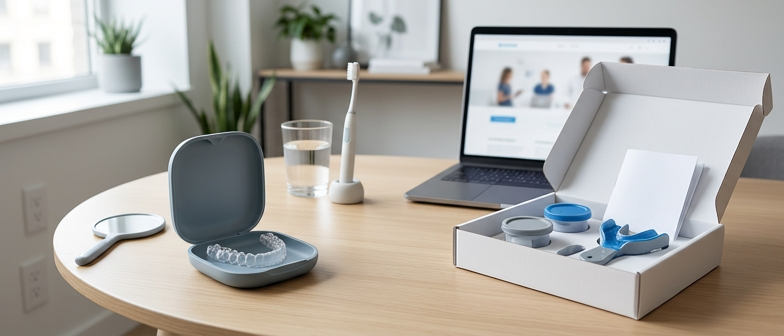
Moving teeth is really about moving roots through bone, not just shifting white crowns in a photo. A thorough in‑person exam can uncover thin bone on certain teeth, recession that makes roots vulnerable, or uneven wear that signals long‑standing bite problems. Clinic‑guided plans can be tailored around those findings, sometimes slowing movement, changing directions, or combining trays with other tools. That flexibility lets many office‑based treatments handle both cosmetic tweaks and a range of mild‑to‑moderate bite issues, like rotated teeth, crowding, or small overbites, while keeping a close eye on how tissues respond.
In contrast, mail‑order systems often target simpler front‑tooth adjustments. They may be well suited for small gaps or mild crowding in otherwise healthy mouths, but they lack hands‑on tools like custom attachments, elastics, or frequent polished adjustments. Significant vertical changes, deep bite corrections, or complex jaw relationships are much harder to manage through a fixed batch of trays designed from remote impressions alone. That does not make home kits useless; it simply narrows the kinds of problems they are realistically built to address.
Aligning teeth changes more than selfies; it changes how force travels through your mouth each time you chew or clench. When teeth are crooked or the bite is uneven, a few spots often carry most of the workload. That can lead to chipped edges, flat spots, or soreness around overused teeth. As teeth move into straighter arcs and meet more evenly, chewing forces spread out over a wider area. Many people notice chewing feeling smoother or less effortful, even if they cannot pinpoint which teeth moved.
Jaw joints and muscles can benefit too. A bite that forces the jaw to slide forward, back, or sideways to make teeth meet puts extra strain on muscles and ligaments. Thoughtful clinic‑based plans can gently guide the bite toward a more natural resting spot, sometimes easing clicking, tightness, or morning jaw fatigue. Home‑started kits may still shift bite contacts, but without careful in‑person tracking, it is harder to tell whether new contact points are helpful or creating new stress.
When teeth overlap tightly, bristles and floss struggle to reach certain surfaces, allowing plaque to settle in blind corners. As trays gradually open those tight contacts and uncross crowded sections, it becomes easier to clean every side of each tooth. Straightening can reduce shadowed niches where stains and buildup collect and can give gums a more even, less jagged outline.
Removable trays bring clear hygiene advantages over fixed metal appliances: you can brush and floss with nothing in the way. At the same time, plastic covering teeth for long stretches traps whatever is left behind. That means brushing after meals, rinsing before snapping trays in, and cleaning the trays themselves are crucial habits. Office‑based systems typically reinforce those routines at each visit and spot trouble like swollen gums or dull white patches early. With home kits, you can still build great habits, but you lose that extra set of trained eyes watching for early warning signs.
Wearing clear shells most of the day is an adjustment no matter where they came from. There is often a short stretch of extra saliva and slight lisping, plus predictable soreness at the start of each new step as teeth respond to fresh pressure. Plastic tends to feel smoother against cheeks and lips than metal, so cuts and ulcers are less common, though rubbing edges can still appear. Because trays come out for eating, chewing itself usually feels natural, but snacking becomes less spontaneous: you pause, remove trays, eat, clean up, and put them back. Many people quietly drift toward more structured meals and fewer constant bites between them simply to avoid repeated tray juggling.
Carrying a small case, a travel brush, and sometimes cleaning solution quickly becomes part of daily gear. Phone alarms or app reminders can help maintain consistent wear time. Over weeks, these little rituals settle into a new normal, and for many adults in busy work or family schedules, the ability to remove trays for important conversations, events or photos feels like a major lifestyle plus.
The more remote and automated the system, the more responsibility shifts directly to you. With clinic‑based care, discomfort, odd pressure, or changes in gum appearance can be raised at the next visit or sooner, and someone can look, touch, and test each tooth. They can decide whether to smooth an edge, slow the schedule, or stop and investigate. With a mail‑order route, you are often the first and main filter: deciding whether to push through, modify a tray on your own, or contact support. Response quality and speed vary, and recommendations may still end with “visit a local dental professional” when issues look serious.
Choosing between those levels of responsibility is personal. Highly organized, body‑aware people with simple front‑tooth concerns may feel comfortable managing more of the process themselves. Those who prefer frequent reassurance, have a history of gum or bite issues, or already struggle with consistent daily hygiene often do better with nearby, ongoing guidance.
Any method that moves teeth carries potential downsides: root shortening, gum recession, sensitivity, or new bite imbalances. Office‑based tray systems try to manage that through in‑person screening, coordination with other dental work, and the ability to change plans mid‑stream. Mail‑order routes may not always catch hidden cavities, thin bone, or subtle gum loss from remote records alone, and when problems arise, the solution is often to seek extra in‑person care outside the kit.
Costs follow different patterns too. Home‑started plans often highlight lower upfront fees and fewer visits, which can strongly appeal to tight budgets and busy schedules. Clinic‑based options tend to bundle exams, imaging, check‑ups, small fixes, mid‑course refinements, and detailed retainer planning into a larger overall fee. The headline price of a box at your door or a full office plan rarely tells the full story without also considering what happens if trays do not fit as expected, if extra rounds of movement are needed, or if local treatment becomes necessary to address side effects.
What’s the difference between invisible braces and invisible teeth aligners?
Invisible braces usually refer to fixed options like lingual braces, while invisible teeth aligners are removable clear trays. Aligners are more aesthetic and convenient but need patient compliance to be effective.
How do at home teeth aligners compare to in-office clear aligners in safety and results?
At home teeth aligners use remote monitoring and are best for mild to moderate cases. In‑office clear aligners allow X‑rays, bite analysis, and closer supervision, offering safer, more predictable results for complex movements.
What should I look for when choosing the best clear aligners brand?
Focus on whether treatment is dentist‑ or orthodontist‑supervised, use of 3D scans vs mail‑in impressions, clarity and thickness of the material, treatment length, refinements policy, and warranty on lost or cracked trays.
Can orthodontic aligners fix bite problems or only straighten front teeth?
Orthodontic aligners can correct crowding, spacing, overbite, underbite, and crossbite when properly planned. However, severe skeletal issues may still require traditional braces or jaw surgery for stable, long‑term correction.
How do clear braces compare with clear aligners for adults who want discreet treatment?
Clear braces use tooth‑colored brackets and wires fixed to teeth, making them less visible but not removable. Clear aligners are nearly invisible, removable for eating and cleaning, but must be worn 20–22 hours daily for success.