
x
Dreaming of a bathroom that feels like a spa, even if you're tight on space? You're not alone! Many homeowners are seeking innovative ways to maximize their small bathrooms, often incorporating luxurious features like soaker tubs and walk-in showers.
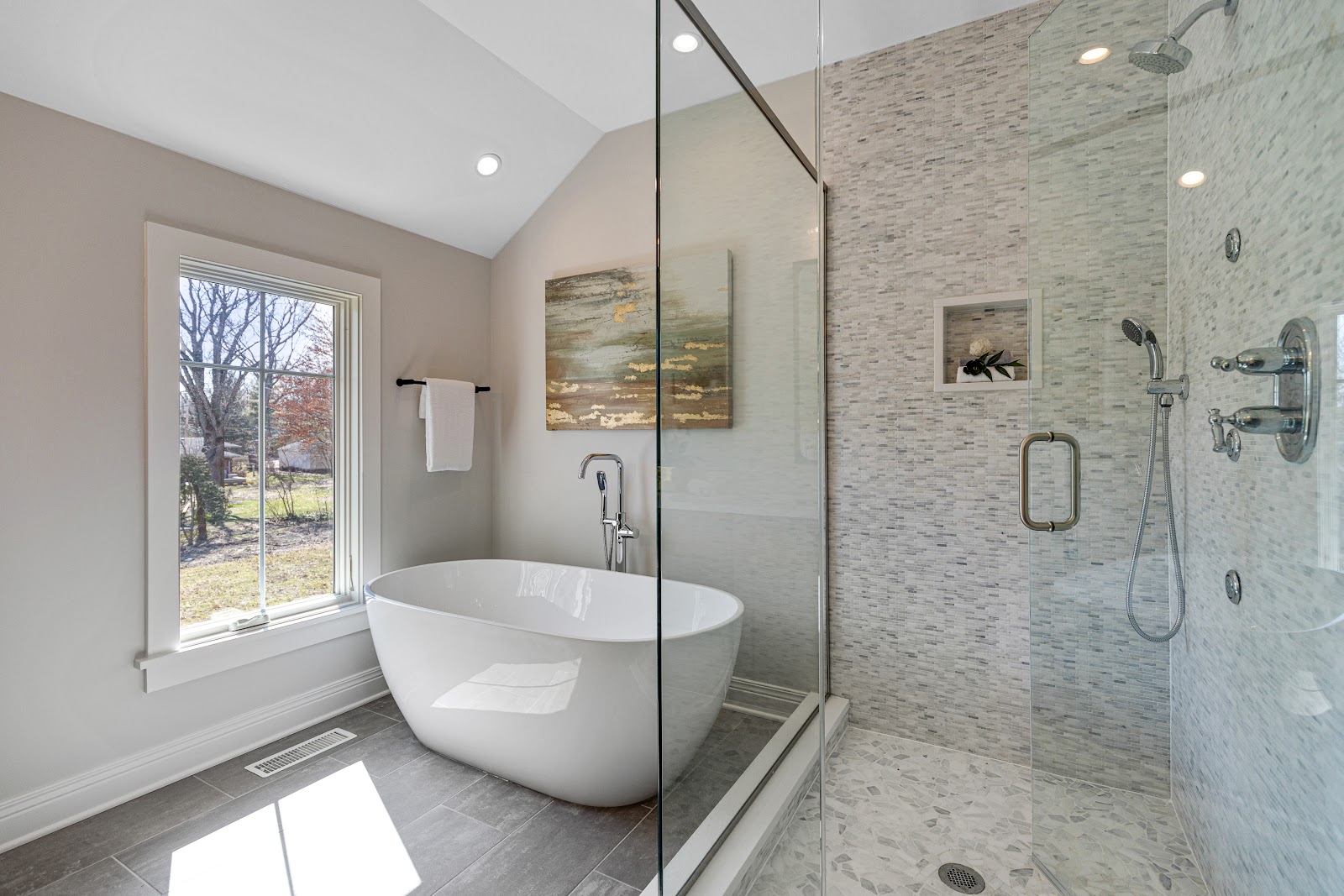
Small bathrooms present unique design challenges. Thoughtful planning and creative solutions can transform these limited spaces into functional and stylish retreats. Let's explore some key strategies for making the most of your compact bathroom.
Selecting the right fixtures is crucial in a small bathroom. Opt for space-saving options like wall-mounted sinks and toilets. Corner sinks can also free up valuable floor space. Showers, rather than bulky bathtubs, are often a more practical choice, maximizing the usable area.
Clever storage is essential to keep a small bathroom organized and clutter-free. Consider installing shelves above the toilet or incorporating a vanity with built-in storage. Mirrors with hidden cabinets are another great way to add storage without taking up extra space.
Using design tricks can make a small bathroom feel larger. Light, neutral colors can brighten the space and create an airy feel. Large mirrors reflect light and visually expand the room. Glass shower doors also help to maintain an open and spacious look.
Deciding between a soaker tub and a shower is a pivotal step in any bathroom remodel. It's about blending personal preferences with spatial realities to craft a space that’s both functional and relaxing. Let’s explore some key considerations.
Before diving into designs, reflect on your bathing habits. Do you relish long, relaxing soaks, or do you prefer the quick invigoration of a shower? Also, consider who will be using the bathroom. A family bathroom might benefit more from a shower, while an ensuite could lean towards a luxurious tub.
Space is often the deciding factor. Soaker tubs, especially freestanding ones, require more square footage than showers. Evaluate your bathroom’s layout. Can it comfortably accommodate a tub without feeling cramped? Walk-in showers are often a more space-efficient choice, particularly in smaller bathrooms.
If space and budget allow, consider incorporating both a soaker tub and a separate shower. This provides the ultimate flexibility, catering to different moods and needs. A well-designed bathroom can seamlessly integrate both elements, creating a spa-like experience at home.
Considering a bathroom remodel that blends accessibility with modern style? Walk-in showers are increasingly popular for their sleek design and user-friendly features. Let’s explore some transformative ideas to create a stunning and functional space.
Walk-in showers are defined by their open concept and ease of access. Frameless glass enclosures enhance natural light and create a spacious feel. Large format tiles minimize grout lines for a seamless look and easier maintenance. Built-in shower niches offer sleek storage solutions, reducing clutter in smaller bathrooms.
For a spa-like experience, consider dual showerheads with rain and handheld options. Modern finishes like matte black, nickel, or brushed brass fixtures add a touch of luxury. Integrating LED lighting and smart controls elevates both ambiance and user convenience. Steam showers with aromatherapy offer ultimate relaxation.
A walk-in shower with a built-in bench and alcove is a space-efficient design that adds comfort and accessibility. These features cater to a wide range of needs, making the bathroom safer and more enjoyable for everyone.
Remodeling a small bathroom doesn't have to break the bank. With smart planning and some savvy choices, you can transform your space without emptying your wallet. Let's explore some cost-effective strategies to make your dream bathroom a reality.
When remodeling, focus on the essentials first. Upgrading plumbing prevents leaks and future costly repairs. Similarly, ensure electrical work is up to code with GFCI outlets and moisture-resistant lighting. These foundational upgrades ensure safety and durability in the long run.
Determine the scope of your remodel upfront. Are you doing a surface refresh, a partial remodel, or a full renovation? Thorough planning, including setting a realistic timeline, helps avoid budget overruns and delays. Careful material selection, accounting for lead times, is also crucial.
Consider cost-effective material alternatives. Refacing existing cabinets can save money compared to installing new ones. Similarly, explore affordable flooring options. Strategic choices in materials can significantly impact your budget while still achieving your desired look.
Consider DIY for certain tasks to save on labor costs. Painting, demolition, and some basic installations can be tackled by homeowners. However, always prioritize professional help for complex plumbing or electrical work to ensure safety and compliance.
Embarking on a bathroom remodel can be exciting, but it's wise to prepare for potential hurdles. Understanding common challenges beforehand can help you navigate the process more smoothly and achieve your dream bathroom without unnecessary stress.
Remodeling projects often face budget overruns. Rising material and labor costs can significantly impact your initial estimates. Sourcing materials early and exploring alternative suppliers can help mitigate high plumbing and material costs. Negotiating contracts and scheduling work during off-peak seasons may ease the strain of rising labor costs.
Existing bathroom layouts can limit design choices, especially in smaller spaces. Space constraints pose challenges when fitting desired features, like soaker tubs. Creative design solutions and compact, multi-functional fixtures can maximize limited space.
Integrating smart technology, such as smart showers or faucets, adds complexity and cost. Eco-friendly remodels with sustainability requirements may demand specific materials and techniques, increasing costs and design complexity. Planning tech integration early and consulting experts can streamline these processes.
Here's a summary of common bathroom remodeling challenges and their impact:
| Bathroom Remodeling Challenge | Description | Impact on Project | Mitigation Strategy |
|---|---|---|---|
| High Plumbing and Material Costs | Increased prices for plumbing fixtures and building materials | Raises overall remodeling expenses | Source materials early; consider alternative suppliers |
| Rising Labor Costs | Labor wages increasing due to demand and inflation | Increases project budget | Schedule work in off-peak seasons; negotiate contracts |
| Layout Restrictions | Existing bathroom configurations limit design choices | Limits innovation in small bathroom plans | Use creative design solutions; consult specialists |
| Space Constraints | Small size of bathrooms restricts fixture placement, especially for soaker tubs | Challenges in fitting desired features | Opt for compact or multi-functional fixtures |
| Integration of Smart Technology | Incorporating smart showers, faucets, or mirrors adds complexity | Can increase costs and installation time | Plan tech integration early; hire experienced installers |
| Sustainability Requirements | Eco-friendly remodeling demands may require specific materials/techniques | Increase in cost & design complexity | Use certified sustainable products & consult experts |
Question 1: What are some cost-effective strategies for remodeling a small bathroom?
Answer: To remodel a small bathroom without breaking the bank, prioritize essential plumbing and electrical upgrades first to prevent future costly repairs. Carefully plan the scope and timeline of your project to avoid overruns. Choose cost-effective materials like refacing existing cabinets instead of replacing them, and explore affordable flooring options. Consider DIY for simpler tasks like painting, but hire professionals for complex plumbing or electrical work.
Question 2: What are some space-saving solutions for small bathrooms?
Answer: In small bathrooms, choose space-saving fixtures like wall-mounted sinks and toilets, and corner sinks to maximize floor space. Replace bathtubs with showers to increase usable area. Clever storage solutions such as shelves above the toilet, vanities with built-in storage, and mirrors with hidden cabinets help keep the space organized and clutter-free.
Question 3: What design elements can make a small bathroom feel larger?
Answer: Light, neutral colors brighten and create an airy feel in a small bathroom. Large mirrors reflect light and visually expand the space. Glass shower doors maintain an open and spacious look. These design tricks create the illusion of more space than is physically present.
Question 4: What are some common challenges encountered during bathroom remodeling, and how can they be mitigated?
Answer: Common challenges include high material and labor costs (mitigated by early sourcing, alternative suppliers, and off-season scheduling), space limitations (addressed with creative design solutions and compact fixtures), and integrating smart technology (mitigated by early planning and experienced installers). Careful planning and proactive strategies are key to overcoming these hurdles.