
x
Rent that doesn’t swallow your loan, a commute you can handle at 8 a.m., and neighbours who might become friends for life: finding a place that ticks all three can feel impossible, especially in London’s fastest‑moving postcodes and around busy university campuses.
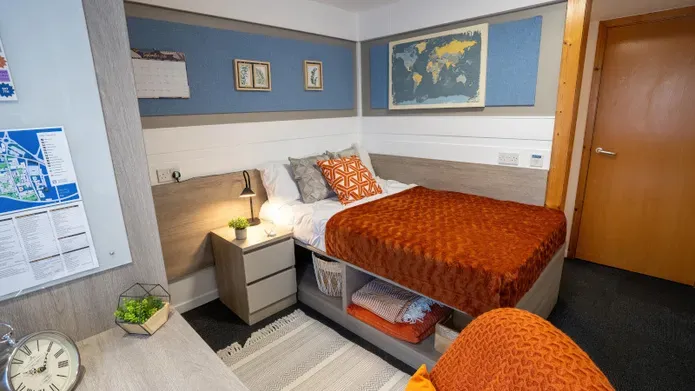
Throwing rent, travel and social life into your head all at once quickly becomes overwhelming. It helps to split them, then join them back together. Start by asking what matters most this year, not “in theory for ever”. Are you trying to save as much as possible, protect your grades with sleep and quiet, or build a solid social circle in a new city? Different answers point to very different postcodes and flat types. Writing these thoughts down, instead of just scrolling listings, turns the search from guesswork into something closer to a plan.
Focusing only on the weekly or monthly figure on an advert hides a lot. Add in council tax status, contents insurance if needed, travel, food, laundry, phone, and the odd night out. Then look at whether bills are bundled or separate, and how that fits with your tolerance for admin. A room that seems pricey at first glance may include heating, internet and furnishings, while a cheaper place might mean buying kitchen basics, chasing flatmates for payments and watching the thermostat anxiously every cold snap. The goal is a monthly total you can breathe with, not a number that keeps you awake.
Travel is more than minutes on a timetable; it’s energy spent every single day. Decide your absolute upper limit for one‑way journeys and how many changes you can face without dreading them. Think honestly about your routine: if you are a night owl with early lectures, adding a long journey on top might tip you into constant exhaustion. A room further out can look like a bargain until you realise you are paying extra for late buses, takeaway dinners and coffees grabbed between trains. Sometimes paying more for a shorter, simpler route quietly saves money and sanity over a full term.
Search results around a pin on a map rarely line up with the places you actually spend time. Start by marking lecture buildings, favourite libraries, part‑time work, sports clubs, faith spaces or societies. Then sketch the routes you already travel or expect to: morning trips in, evenings home, weekend shopping, meet‑ups with friends. Your real “life circle” might stretch along a transport line or cluster around a busy high street, rather than hugging campus gates. Flats that sit comfortably inside that pattern are more likely to feel sustainable than those chosen on pure distance.
Two postcodes the same distance from class can feel wildly different. One might be packed with traffic and nightlife; another mostly quiet after dark. Visit at a few times if you can: early morning, late evening, a rainy weekday. Notice lighting, how busy pavements are, noise levels, and whether nearby parks, cafes and libraries feel welcoming. Look for basics that shape daily mood: somewhere to buy food without a long detour, a safe‑feeling walk from bus stop to front door, and at least one spot where you could happily revise for an hour.
Different types of student‑friendly homes shape daily life in distinct ways. The outline below can help you start thinking about fit rather than just price tags.
| Option type | Typical strengths | Things that can feel challenging | Best suited to… |
|---|---|---|---|
| Short‑stay base | Flexible, furnished, easy move‑in | Higher cost per week, constant turnover of neighbours | New arrivals testing areas |
| Classic shared flat | Sociable, often better value, shared responsibilities | Needs good communication, potential for clashes | Those wanting company and lower costs |
| Co‑living style building | Ready‑made community, on‑site support, bundled bills | Can feel busy, less control over shared spaces | Social students new to the city |
| Self‑contained studio | Privacy, predictable bills, control over routine | Higher individual cost, risk of feeling isolated | Those needing quiet and structure |
Use it as a starting point; the details vary widely between specific buildings and landlords.
Arriving in a new city and signing the first year‑long contract you see is a common regret. A short‑term base can act as a buffer while you learn how the place really works. These rooms usually come furnished, sometimes with linen and kitchen basics, so you can turn up with a suitcase rather than a van. During a few weeks or a term, you can test commute routes, explore markets and parks, and talk to older students about where they actually live now, not where they thought they wanted to at first.
Sharing a flat or house with other students remains popular for a reason. Splitting rent and bills often stretches budgets further, and everyday life – cooking together, revising at the kitchen table, having someone to debrief with after a rough day – can feel lighter. The trade‑off is negotiation: cleaning, guests, quiet hours, smoking or vaping, and what “tidy” really means. Before committing, have a frank chat with potential housemates about routines and expectations. Simple agreements written down somewhere visible can prevent small annoyances turning into long‑running resentment.
Living alone in a small flat or studio offers control and calm. You set the heating, you choose when visitors leave, no one borrows your cookware without asking. For some people – especially those with heavy workloads, health conditions or strong need for quiet – that stability is transformative. The catch is that all costs fall on one set of shoulders, and social contact does not happen automatically. If you lean towards this route, plan where your people will come from: societies, sports, part‑time work, local volunteering or regular study groups can all stop the space from becoming an isolated bubble.
Deciding whether to go for a “bills bundled” place or handle everything separately is partly about personality. Bundled options make monthly outgoings predictable and remove the admin of splitting gas, electricity, water and internet. They are appealing if you dislike paperwork or live with people you do not know well. Paying suppliers directly can work out cheaper if everyone is organised and careful with heating, but it adds tasks: setting up accounts, taking meter readings, chasing late contributions and comparing tariffs. Think about whether the saving is worth the time and potential tension.
A longer journey rarely stops at the cost of a travel card. Being far from campus or shops easily leads to more takeaways, coffees grabbed on the go and taxis after late events. Poor kitchen facilities – no oven, tiny fridge, no freezer – quietly push food spending up, because proper batch‑cooking becomes hard. Lack of storage can mean paying for extra bags or lockers. When viewing places, picture a typical week’s food, laundry and travel in that specific home. If everything about the set‑up makes life slightly harder, the “cheap” rent may not be so cheap.
The best value option is the one that supports the grades and wellbeing you are aiming for. If a quiet room lets you concentrate and sleep, you might need fewer pricey last‑minute library coffees and fewer panicked all‑nighters. If a sociable flat stops you feeling lonely, you may avoid frequent long trips home just to recharge. Try rating each candidate home against three headings – money, time and headspace – rather than just the figure on the advert. A place that scores solidly across all three is more likely to carry you comfortably through exam season.
How can I quickly compare different student flats near me without visiting in person?
Use virtual tours, floor plans, and Google Street View, then cross-check rent, bills, Wi‑Fi speed, contract length and deposit protection on comparison sites and letting agents’ pages before shortlisting for in‑person viewings.
What should I prioritise when choosing affordable student accommodation near me?
Focus on total monthly cost including bills, commute time to campus, safety, tenancy length, and how responsive the landlord or agent is to maintenance issues, rather than just the headline rent.
Are shared accommodations for students in the UK always cheaper than studio flats to rent?
Shared accommodation is usually cheaper per person, but costs depend on bills, council tax exemptions, location, and room size; sometimes small studios or cluster flats with bills included can be similarly priced.
What legal checks should I do before taking a flat to rent in London as a student?
Confirm the landlord is licensed where required, deposit is protected in an approved scheme, you receive an Assured Shorthold Tenancy, a valid gas safety certificate, and clear terms on rent increases and break clauses.
How can I avoid scams when searching online for student rental properties near me?
Be wary of deals that seem too cheap, never pay cash or via transfer before viewing, check the property and agent on official registers, use reputable student accommodation platforms, and insist on written contracts.