
x
If you’re searching for private elderly care jobs near you, this guide explains what one‑to‑one in‑home roles really involve, the difference between companion care and private home health work, and how to safely use agencies, registries, and online tools to find local openings.
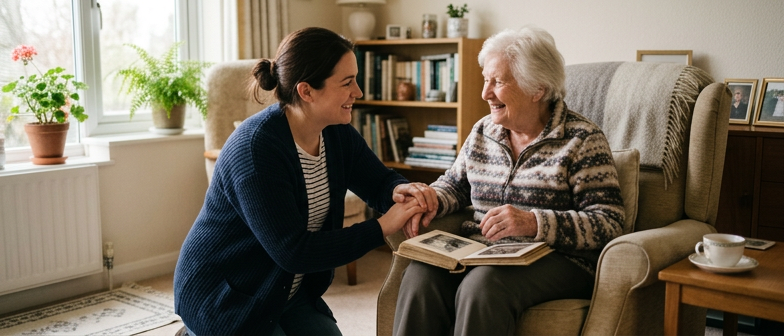
When people talk about private elderly care jobs near them, they usually mean one‑on‑one support for an older adult in the person’s own home rather than in a facility. A private home caregiver might be hired directly by a family or work through a small local provider that focuses on private home care services instead of large institutional settings. The day‑to‑day work is rooted in the home environment: helping a senior get up safely, preparing simple meals, offering companionship, and supporting personal care with dignity. Because the setting is so personal, these roles feel different from working in a busy nursing home, with more time to build a relationship and tailor care to the senior’s habits, routines, and cultural preferences.
Within this kind of private home care, responsibilities can range from basic non‑medical assistance to more advanced support that overlaps with senior home care services, depending on local rules and your training. Some positions focus on companionship, light housekeeping, transportation to appointments, and medication reminders, while others include hands‑on help with bathing, dressing, mobility, and watching for changes in health or mood. Private elderly care jobs close to you may also involve coordinating with family members and visiting nurses, keeping simple notes about the person’s condition, and respecting safety and privacy standards in the home so that older adults can age in place in a more flexible, personalized setting than most traditional care facilities.
Private home care is an umbrella term for services that keep older adults safe and supported in their own homes rather than in a facility. On the non-medical side, private home care services focus on daily living support such as meal prep, bathing, dressing, light housekeeping, and companionship. These senior home care services are often paid out of pocket by families who want flexible, hour-by-hour help. For someone exploring in home care roles close to them, this usually means working in a client’s residence, following a care plan that emphasizes dignity, independence, and familiar routines.
Within this world, a private home caregiver may work in several job models, each with its own hiring channels. Some caregivers are employed by agencies that promote home care services close to local neighborhoods and handle scheduling, payroll, and basic training. Others accept private arrangements directly with families, offering personalized private home care on a part-time or live-in basis. There are also more clinically focused roles in private home health care close to you, where nurses, nursing assistants, or therapists provide skilled care ordered by a clinician. Knowing which type of support you want to provide guides whether you focus on agency job boards, community registries, or local classifieds.
Job demand tends to cluster where older adults are choosing to age in place and where families can afford extra support. Suburban communities with many retirees, dense city neighborhoods with limited family nearby, and areas with strong senior networks often have the most openings in private home care services. Companion and personal care work is common for entry-level applicants, while licensed workers find more roles in medically oriented private home health care close to them. Whatever your background, searching local listings that mention private home care, senior home care services, or other in-home support can reveal steady private elderly care opportunities nearby.
| Job Type | Typical Duties | Training or License Level | Best Fit For |
|---|---|---|---|
| Non‑medical companion care | Conversation, supervision, errands, light housekeeping | Low to moderate; basic caregiver training helpful | People new to private home care or changing careers |
| Personal care assistance | Bathing, dressing, toileting, mobility support | Moderate; caregiver courses or aide certificates useful | Workers comfortable with hands‑on daily living support |
| Private home health support | Skilled care under clinician orders, simple health tasks | Higher; nursing or clinical credentials expected | Licensed nurses, aides, or therapists seeking in‑home work |
| Live‑in private home caregiver | Blend of companionship, personal care, household help | Moderate; experience plus strong references preferred | Caregivers wanting stable housing and long‑term placement |
Non‑medical companion and personal care roles focus on everyday support rather than clinical treatment, and they make up many of the private elderly care jobs people find when they look for home care close to them. Often grouped under broader senior home care services, these jobs involve visiting an older adult at home to offer conversation, supervision, help with meals, light housekeeping, errands, and rides to appointments or social activities so the person can safely remain at home instead of moving to a facility.
Because these are non‑medical roles, workers do not provide skilled nursing care, give injections, or make medical decisions, and families should understand this limit when comparing one home care service close to them with another. Personal care aides may help with bathing, dressing, grooming, toileting, and safe walking or transfers, but anything that must be done by a nurse or therapist is outside their scope, so these positions fit patient, observant workers who follow a care plan in a private home with minimal supervision.
Beyond general companion work, many private elderly care jobs near you focus on more clinical or specialized support in the home. These roles sit between private home care services and licensed home health care, so you might help with medication reminders, basic vital‑sign checks under a nurse’s direction, or support recovery after a hospital stay. When families look for in home care close to me, they may need someone who understands dementia, heart disease, or mobility issues and can follow a care plan from a health professional.
Because private home health care close to me usually involves tighter coordination with doctors, therapists, and agencies, it often requires extra training or credentials. Depending on local rules, that could mean being a certified nursing assistant, home health aide, or completing courses in dementia care, diabetes management, or safe medical‑equipment use. Be prepared for more documentation, infection control, and safety procedures than in basic private home care, along with the chance for higher pay and clearer career paths.
To find private elderly care jobs close to you, start by mapping local options for senior support at home. Search online for private caregivers or home care close to me to spot agencies, independent caregiver registries, and families hiring directly. Many private home care providers and senior home care services post openings on their sites, general job boards, and neighborhood forums. When you build a profile or résumé, emphasize in‑home care experience, dementia or mobility support, and any certifications, since families comparing private home care want proof you can safely handle daily routines and health needs.
Then contact organizations that coordinate home care services close to you, such as non‑medical home support companies, companion care businesses, and community centers serving older adults. Ask if they place independent professionals or keep a roster of private caregivers and whether they know of private elderly care jobs close to you with individual families. Some areas have caregiver or personal care attendant registries that match workers with clients for private home care. When you speak with coordinators, be specific about the hours, duties, and locations you prefer so they can connect you with nearby homes that fit your skills and schedule.
Also use networking and reputation to find work that never appears in public ads. Tell nurses, therapists, and staff at clinics, rehab programs, and assisted living communities that you are available for in‑home support and private home care services, and ask them to keep your information on file. Families already using a home care service close to them often look for extra help during evenings or weekends or want to move from an agency to a trusted private home caregiver. Combining targeted online searches for nearby home cares with personal referrals and steady follow‑up helps you build a local client list.
When you search online for private elderly care jobs near you or for a home care service close to you, look at how agencies and registries treat both families and workers. Reputable services that connect private caregivers close to you clearly list licensing, insurance, complaint procedures, and who is the legal employer. Before sharing personal details, read privacy policies, avoid giving unnecessary financial data, and confirm phone numbers and physical addresses so you are not dealing with an untraceable operation.
If you are a caregiver applying for private elderly care jobs close to you through an agency, job board, or registry, review pay rates, overtime rules, and the written contract before accepting any shift. Legitimate platforms explain how client payments are handled, whether you are an employee or independent contractor, and what safety protections exist in the home. Families should also ask for background checks, verify references, and insist on written agreements that spell out duties, hours, and emergency procedures to reduce misunderstandings and avoid scams.
What do private elderly care jobs in a client’s home involve each day?
They focus on one‑to‑one help in the home: safe transfers, simple meals, bathing and dressing support, light housekeeping, conversation, and noticing changes to report to family or nurses.
How are companion roles different from private home health care work?
Companions handle supervision, meals, cleaning, errands, and social contact. Private home health caregivers also do clinical tasks such as vital signs, basic wound or catheter care, under professional direction.
How can I find private elderly care or in‑home senior care jobs near me?
Use job boards and local forums to search for terms like private caregivers or senior home care services, contact nearby home care agencies, and prepare a résumé that highlights home‑based experience.
What should I check when using an online home care service or caregiver registry?
Confirm licensing, insurance, complaint procedures, and who is the legal employer. Check for a real address and phone, read privacy and data policies, and never share bank details until pay is clear.
Do I need certificates to work in private home care?
Requirements vary, but CPR, first aid, and caregiver or home health aide certificates help. Families often prefer proof of dementia, mobility, or post‑hospital care training.