
x
If you’re exploring elderly care work, this guide helps you compare entry‑level and overnight roles, typical job requirements, and how “immediate start” hiring really works, while also clarifying what affects an elderly care worker’s salary per hour so you can judge fair offers.
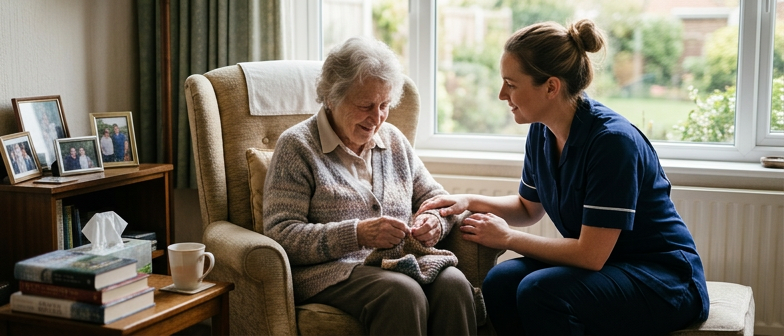
Modern elderly care work goes beyond basic help with washing, dressing, and meals. Care workers support older adults in private homes, assisted living communities, nursing facilities, and retirement housing. In many regions there are elderly care jobs hiring immediately because populations are ageing and families often live far from older relatives. This creates steady demand for people who can help seniors stay safe, comfortable, and as independent as possible, whether they live with long term conditions like dementia or simply need extra daily support.
If you are considering this path, it helps to understand a typical elderly care job description and the main requirements. Most roles focus on personal care, companionship, mobility support, and clear communication with families and health professionals. Employers usually look for reliability, patience, respect for dignity, basic record keeping, and a willingness to learn skills such as safe moving and handling or giving medication prompts. Some positions ask for formal care certificates, background checks, or infection control training, while others offer training on the job. This article is aimed at people exploring care work for the first time and those comparing different roles, so you can judge which type of elderly care position fits your abilities, values, and long term goals.
Most elderly care roles focus on supporting older adults with daily living while protecting their dignity and independence. Core responsibilities in typical elderly care job description requirements include personal care such as bathing, dressing, toileting, grooming, and safe moving or lifting, sometimes using equipment under supervision. Workers also help prepare meals, monitor eating and hydration, prompt or administer medication according to care plans, and keep living areas clean and safe. Emotional and social support matter too: caregivers offer conversation and companionship, notice changes in mood or behavior, keep simple records, follow infection‑control and confidentiality rules, and report concerns promptly to supervisors, nurses, or family as part of a wider care team.
Formal entry requirements for elderly care jobs are usually modest, especially for beginners, but employers look closely at personal qualities. Some positions ask for a high school diploma or equivalent and prefer short training in first aid, moving and handling, food hygiene, and safeguarding adults. A clear background check, legal right to work, and confident spoken and written communication are common expectations. Beyond this, hiring managers value reliability, patience, cultural sensitivity, and the ability to stay calm under pressure or around end‑of‑life care. Job ads often stress flexibility with shifts, including evenings, weekends, and nights, a willingness to keep learning, and a genuine interest in building trusting relationships with older people and their families.
| Checklist Item | Why It Matters | Self-Assessment |
|---|---|---|
| Comfort with personal care tasks | Supports safe daily living with dignity | Ready / Unsure / Not ready |
| Basic communication and record-keeping | Enables clear handover within care team | Strong / Developing / Weak |
| Willingness to work flexible shifts | Matches evening, weekend, and night needs | Flexible / Some limits / Not flexible |
| Emotional resilience around end-of-life | Helps handle distressing situations calmly | Resilient / Sometimes struggle / Often struggle |
| Respect for confidentiality and rules | Protects privacy and meets care standards | Consistent / Occasional lapses / Need guidance |
| Interest in ongoing training and learning | Keeps skills current for elderly care roles | High / Moderate / Low |
Most elderly care job description requirements focus less on formal credentials and more on who you are as a person. Employers want patience, clear communication, and genuine empathy for older adults, including those with dementia, reduced mobility, or sensory loss. Reliability, emotional resilience, respect for confidentiality, and careful following of care plans are essential, even in entry level elderly care positions. You also need to notice small changes in mood, appetite, or safety and report them quickly.
Training pathways help you turn these personal strengths into a long‑term career. Many people start in junior or trainee roles, then complete short introductory courses in care, health and safety, moving and handling, food hygiene, and infection control. As you gain experience, recognised care or support qualifications can lead to more specialised roles and greater responsibility, such as senior care worker, dementia specialist, or care coordinator.
Many people begin in elderly care through entry level positions that focus more on your attitude than on formal qualifications. Typical starting roles include care assistant, home support aide, or companion, where you help with everyday tasks, provide conversation, and support basic mobility rather than complex medical care. Employers offering elderly care jobs and hiring immediately often look for reliability, willingness to learn, and respect for older adults, then provide short induction courses on topics like dignity, infection control, and safeguarding. If you have experience looking after a relative or volunteering with seniors, present this as informal care experience to show you understand the emotional and practical realities of supporting older people.
When you see adverts for local elderly care employers willing to hire people with no previous experience, they are usually prepared to train you on the job and may pair you with a more experienced worker at the beginning. Applying for these entry level elderly care positions works best when you highlight soft skills such as patience, good communication, and staying calm under pressure, because those traits matter as much as technical knowledge. Community agencies, residential care homes, and home care providers often run fast‑track recruitment for full time posts when they need additional staff at short notice, helping you gain your first role and start building skills through short courses and mentoring.
To find elderly care jobs hiring immediately, use filters on job boards such as urgent start or immediate hire and focus on care assistant or home care roles. Check adverts for signs of fast recruitment, like multiple vacancies, rolling interviews, or walk‑in sessions, and note whether the employer is a care provider or an agency. When listings mention guaranteed hours, fixed schedules, or full‑time contracts, save them so you can compare working patterns, benefits, and training support.
If you want full‑time overnight elderly care roles, look for wording such as waking nights, night shifts, or 12‑hour night rotas, and confirm that the contract offers consistent weekly hours rather than casual bank work. The description should outline typical night duties like personal care, repositioning, safety checks, and record‑keeping. Also contact local care homes and home‑care agencies directly to ask about permanent night posts that may not be widely advertised.
Hourly pay for elderly care workers varies by location, employer, and responsibility. Entry roles often sit near the legal minimum, while experienced staff, people with dementia or other specialist skills, or those employed through agencies may earn more. When comparing elderly care worker salary per hour, check whether the rate is only for basic hours or also includes higher pay for nights, weekends, and public holidays, as these extras can significantly boost overall income.
Working time in elderly care is usually organised into shifts, including early mornings, standard day shifts, late evenings, and regular or rotating weekends. Full time contracts commonly offer around 35 to 40 hours a week, while part time jobs provide shorter or fewer shifts that can fit around family or study. Because many services run 24 hours a day, employers will often ask at interview how flexible you can be and whether you are willing to cover occasional or regular night duties.
Overnight elderly care jobs on a full time pattern often attract higher hourly rates or premiums because they involve unsocial hours and dealing with needs when staffing levels are lower. Night shifts may be waking nights, where you stay alert and carry out regular checks, or sleep in duties, where you are on site and paid to respond if required. When weighing up offers, consider how night work will affect your sleep, travel, and family life as well as the extra pay.
What does modern elderly care work usually involve?
It means helping with washing, dressing, meals, mobility, and medication prompts, plus companionship, simple notes, and reporting concerns to nurses, supervisors, or families in home or care‑facility settings.
What are common job description requirements for elderly care roles?
Employers want reliability, clear communication, respect for dignity, safe moving and handling, basic infection‑control awareness, confidentiality, and careful observation of changes in health or mood.
How can I get an entry‑level elderly care job with no experience?
Apply for care assistant, home support, or companion roles that offer training, and mention informal caregiving for relatives or volunteering with older adults to show you understand the work.
How do I find elderly care jobs hiring immediately, including full‑time overnight shifts?
Use job‑site filters like “immediate start,” “urgent,” “night shift,” check ads with multiple vacancies or rolling interviews, and contact home‑care agencies and care homes offering guaranteed hours.
What is a typical elderly care worker salary per hour and what affects it?
Pay often starts near the legal minimum, rising with experience, dementia‑care skills, agency work, and higher rates for nights, weekends, and public holidays.